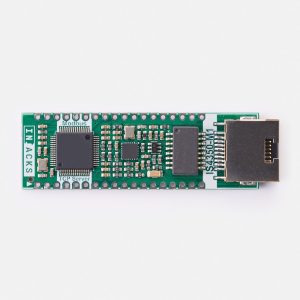
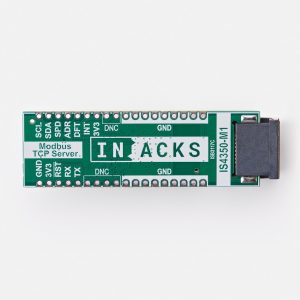
Modbus TCP/IP Server: The Critical Industrial Data Endpoint
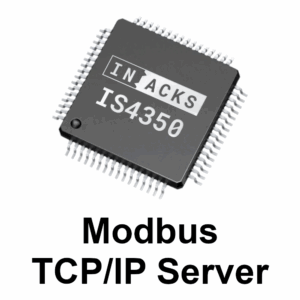
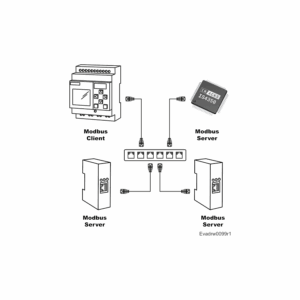
Modbus TCP/IP Server Chips are specialized hardware components that transform embedded devices into fully compliant Modbus Server (Slave) devices on an industrial Ethernet network. These chips are essential for creating reliable data endpoints—such as smart sensors, meters, and actuators—that communicate seamlessly with centralized monitoring and control systems (SCADA, HMI, and PLC masters).
The Server’s primary role is to maintain constant readiness, listen for requests from multiple Modbus Clients, and accurately map local device data into Modbus registers (Coils, Inputs, Holding Registers). Our components handle the vital function of network connection management and rapid response generation, ensuring high throughput and robust industrial communication.
Eliminating Complexity in Industrial Protocol Stacks
Building a high-performance Modbus TCP/IP Server requires sophisticated engineering to manage persistent TCP connections, handle simultaneous client requests, and implement the precise Modbus application layer parsing and response logic. This concurrent network management is a task highly demanding on host microcontroller resources.
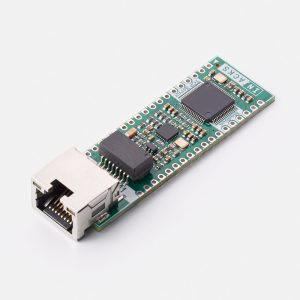
INACKS integrated circuits and modules help a lot to develop products with this category because the hardware offloads the entire network listener and Modbus protocol stack, which avoids the firmware engineer to have to implement by itself the protocol. The host MCU simply interacts with the chip using a low-complexity interface (I2C) to access the actual register data. This approach significantly reduces the need for specialized networking and protocol engineering, leading to less costs and ensuring the final, protocol-compliant product can be launched sooner.
Check Our Industrial Protocol Chips