
Accelerate Smart Meter Development with the IS62056 DLMS/COSEM Protocol Chip
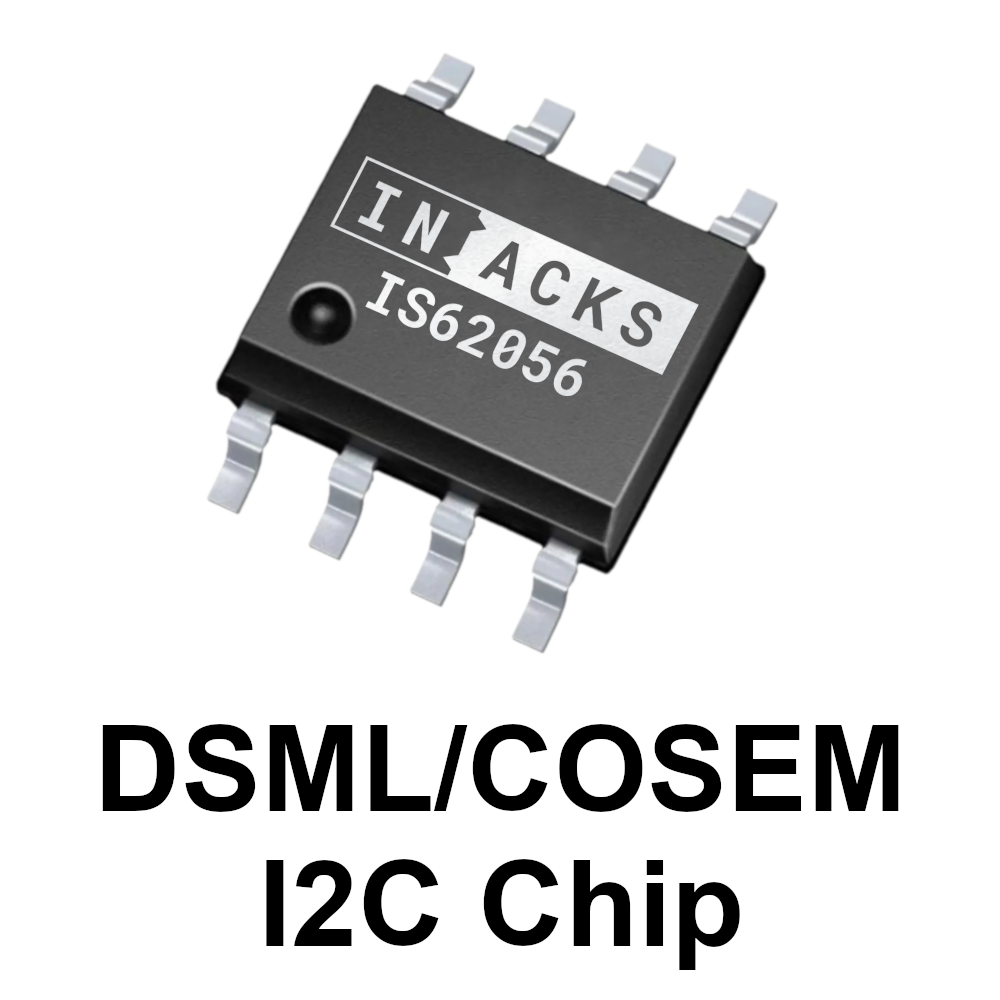
The DLMS/COSEM Protocol Chip IS62056 is the essential component for any engineer or manufacturer seeking to integrate the IEC 62056 standard into smart utility devices. DLMS (Device Language Message Specification) and COSEM (Companion Specification for Energy Metering) form the global standard for smart energy management. This chip encapsulates the entire complex protocol stack, offering a plug-and-play solution that dramatically reduces development time and eliminates the need for extensive firmware engineering.
Why Hardware Acceleration for DLMS/COSEM?
Implementing the full DLMS/COSEM stack in firmware requires significant processing power, memory, and specialized expertise, often leading to long development cycles and high certification costs. The IS62056 shifts this burden to dedicated hardware. This powerful abstraction allows your host microcontroller to communicate with smart energy meters using simple commands over a standard I2C bus, resulting in:
-
Faster Time-to-Market: Save months of specialized protocol coding and testing.
-
Reduced System Resources: Free up your main microcontroller’s flash and RAM for core application tasks.
-
Guaranteed Interoperability: The hardware implementation is built to comply with the IEC 62056 standard, ensuring seamless integration with head-end systems worldwide.
Key Applications and Features
The IS62056 chip is a powerhouse for modern energy monitoring and control. It supports real-time data access and historical data retrieval (load profiles), making it crucial for billing and demand-side management. The COSEM model, using OBIS codes, standardizes how data is structured and identified across all energy types (electricity, gas, water, heat), which is a core benefit of using this chip.
-
Billing System Integration: Access COSEM objects for automated and transparent utility billing.
-
Smart Grid Gateways: Use the chip in concentrators and gateways to interface with multiple DLMS meters.
-
Energy Audit Devices: Quickly read real-time and historical consumption data for energy efficiency analysis.
-
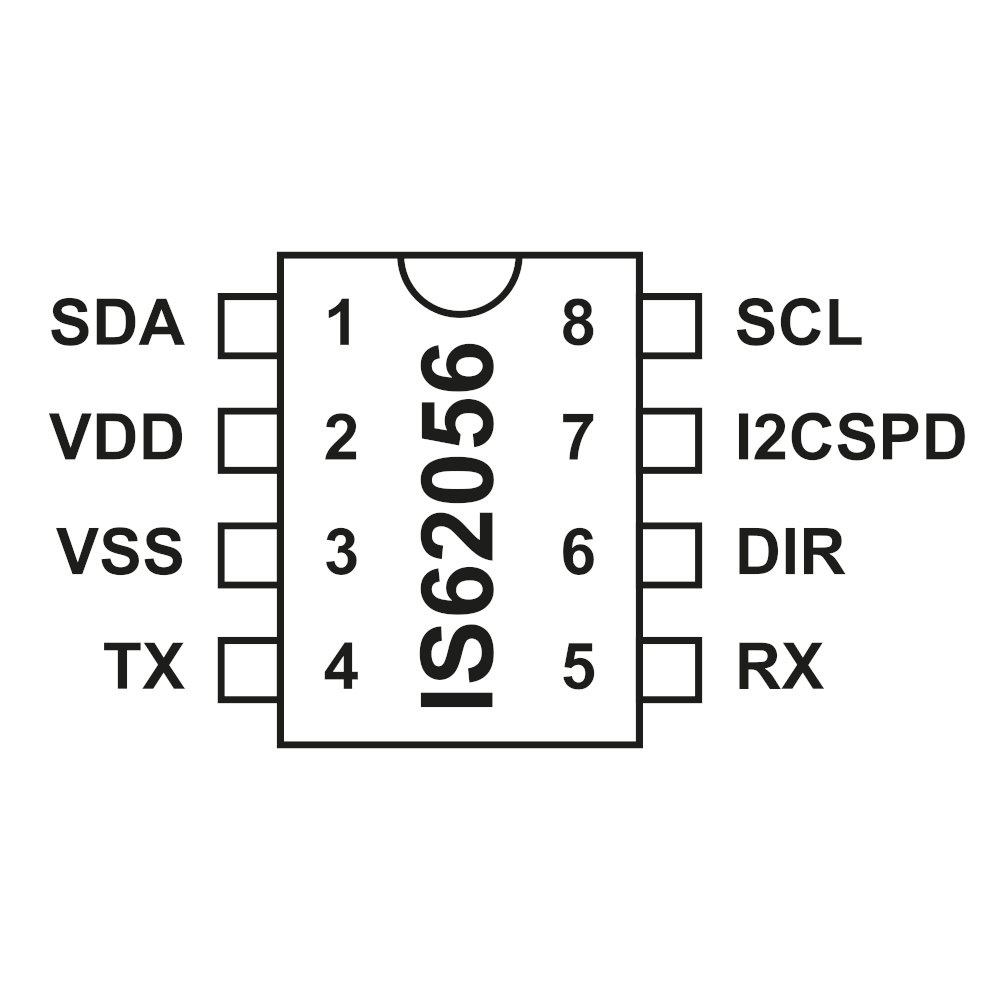
Simple I2C Interface: I2C compatibility with speeds up to 1 MHz and support for both 3.3V and 5V systems.
For projects requiring high-speed local data transfer, consider pairing this chip with our reliable I2C to UART Bridge. For a deeper technical dive into the international standard that governs this technology, we recommend consulting the DLMS/COSEM Wikipedia page.
Future-Proofing Your Smart Meter Design
Adopting the IS62056 DLMS/COSEM Protocol Chip ensures your product is immediately compliant with global standards. By simplifying the most challenging aspect of smart meter design—the communication protocol—this chip guarantees reliable, secure, and future-proof data exchange, positioning your device at the forefront of the evolving smart grid ecosystem.